


Rated Excellent
Trusted by 1000’s of customers
Earn Rewards
Get points with every purchase
Expert Advice
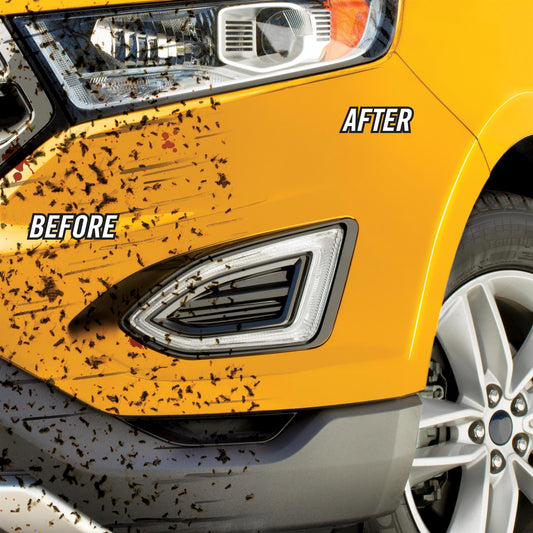
Professional tips for perfect detailingTurtle Wax Bug and Tar Remover lifts dirt and stains from any exterior surface for the best possible finish. If left untreated, bug residue and tar spots can damage the paintwork of your car, eating into the clear coat and making it much harder to clean. Our #1 selling formula removes even the toughest marks from metal, paint, plastic and glass.
-
Bug & Tar Remover, 16 fl oz
Regular price $7.00Sale price $7.00 Regular priceUnit price per

Why Bugs and Tar Damage Your Car’s Paint
Bug residue
Bug splatter introduces acidic compounds to a vehicle’s paintwork, etching into the clear coat layer. This can be made worse in a sunny climate, the added heat breaking down the organic material and causing it to bond with the paintwork, making it harder to remove.
Road tar
When asphalt is heated, it becomes softer. This can cause small pieces to kick up from the road as you drive over it, attaching and bonding to your car’s paintwork. This tar dries over time, hardening until it becomes much more difficult to deal with. The rough texture then traps more dirt in and around it.
Tree sap and bird droppings
As with bugs, bird droppings introduce a corrosive element that damages paintwork, while tree sap spots can magnify the sun’s rays, damaging the paintwork underneath them. This makes quick removal critical before damage is allowed to happen.
The key to all these elements is quick removal. While instantly washing your car is rarely going to be a realistic option, the important thing is not to put it off for too long. Promptly washing and cleaning at home can also help to avoid costly professional paint correction.
Why You Should Remove Contaminants Before Waxing
It’s important to remove contaminants like bugs and tar before waxing your paintwork. Trapping these contaminants under a layer of wax can accelerate the damage they cause to the paint layers, as well as making it much harder to get a smooth finish and a secure wax bond.
Always follow this sequence when washing and waxing your vehicle:
- Wash - Thoroughly wash and dry with a deep-cleaning car product. Also, make sure you have a cool surface to work with before using other products.
- Bug and tar removal - Use bug and tar remover to eliminate any residue.
- Clay bar (optional) - This step also helps to decontaminate the paintwork.
- Polish - Add that smooth and glossy finish by applying polish and buffing out.
- Wax and sealant - Use wax or a sealant to protect your paintwork.
Properly cleaning and decontaminating your vehicle will help to reduce the risk of paintwork damage. Each step helps to prepare the surface for the next stage of cleaning and protecting, resulting in both a beautiful look and a lasting barrier against damage from contaminants.
How to Safely Remove Bugs and Tar
- Wash your vehicle first, removing loose dirt and dust to avoid adding scratches while you work.
- Always work in the shade to keep the car surface cool, otherwise products can dry too quickly and be hard to work with.
- Spray the affected areas generously, making sure to get all bugs or tar spots.
- Allow the product to work for a few minutes - you should see bugs or tar spots loosening. For tougher stains, allow the product to soak a bit longer (up to 5 minutes).
- Wipe gently with a clean microfiber cloth. Light pressure should be enough to remove the bug or tar spots.
Get more detailed guidance with photos in our How to Remove Bugs and Tar from Your Car blog.
Bug Remover vs Tar Remover: Do You Need Both?
A 2-in-1 bug and tar cleaning product will provide a convenient and easy-to-use option for most car owners, though sometimes you want that specialized approach. Which one is right for you mainly depends on your personal preference.
Specialist approach
Separate products can provide more precise cleaning power for targeting bugs and tar. Anti-bug cleaners focus more on enzymes to break down the organic material, while tar products use petroleum solvents to deal with asphalt. Going specialist might be better if you live in a region where these specific problems are especially intense due to the climate or other factors.
Combination approach
Products like our Bug & Tar Remover can handle both types of contaminants, making it a more convenient and simpler approach. For most people, this type of product will be able to handle typical cleaning scenarios and provide a better value option for occasional use compared with more specialized products.
Common Bug and Tar Removal Mistakes
- Scrubbing with a dry or rough cloth - Using a rough or dirty towel to wipe away product can leave swirl marks behind once you're done. Always use a clean, soft microfiber cloth for paintwork jobs.
- Applying to a hot surface - Using products on a hot car surface can change the way they behave, such as drying too quickly or evaporating before it has a chance to work.
- Skipping the wash step - If the surface of the car isn’t clean, you can end up spreading dirt around as you work, potentially creating new scratches.
- Using too much pressure - Using excessive pressure when scrubbing away the residue is unnecessary. If the product has been given time to work, the contaminants should wipe away easily.
- Allowing the product to dry - Leaving the product on too long can mean it starts to dry, leaving spots on the paintwork.
- Using paper towels or abrasive sponge - Though it might seem like a good idea, paper towels and textured sponges are too abrasive for use on paintwork, risking scratching the clear coat layer.
When to Remove Bugs and Tar from Your Car
Immediate removal
- After a long-distance drive - Inspect your bumpers, hood and windshield and wash away bugs and other contaminants as soon as possible.
- Bird droppings - Bird droppings are highly acidic, so they should be cleaned off as soon as possible.
- Tree sap - Sap can magnify the sun’s rays as it sits on your car’s surface, accelerating UV damage to the paintwork.
- Tar - Tar becomes much harder to remove once it dries on and bonds with the paintwork.
Regular inspections
- Weekly - Best during peak bug season from around May to September.
- Monthly - For frequent highway drivers or if you often drive near construction or industrial zones.
Pre-detail timing
- Always before detailing - Whenever you’re planning to do a deep clean on your vehicle, bugs and tar should be dealt with before using a clay bar or waxing and sealing.
Regional
- South/Southwest - Bug seasons, such as love bugs in Florida in April and May, and again in August and September.
- Midwest - More exposure to bugs when driving through agricultural areas.
Multi-Surface Applications
Bug and tar remover can be used across multiple surfaces of a vehicle and can deal with a range of contaminants.
Vehicle surfaces:
- Paintwork
- Chrome/metal trim
- Plastic bumpers and grilles
- Windshield and windows
- Headlight lenses
- Wheels
Common contaminants handled:
- Bug splatter
- Road tar
- Tree sap
- Bird droppings
- Light adhesive residue
- Road grime
Always check the label of any detailing product to be certain it’s safe to use on your car’s surfaces, and test on an inconspicuous area first. Multi-surface products are convenient and easy to use for most situations, but you can also go for more targeted cleaning and contaminant removal with products like our wheel and tire range.
Bug and Tar Removal FAQs
How long can bugs stay on my car before causing damage?
Bug splatter can begin causing acid etching on paintwork immediately upon contact, with visible staining occurring within 24-48 hours in warm weather. Heat accelerates bonding and damage, making bugs more of an issue in Southern states.
What’s the best way to remove dried, baked-on bugs?
Pre-soak the affected areas using a bug remover product, and allow it to work for a few minutes. Clean off using light pressure with a soft microfiber cloth. It’s best to do this multiple times to deal with stubborn areas rather than using heavy scrubbing - never use an abrasive pad or brush on paintwork.
Will bug and tar remover scratch my paint?
Good-quality bug and tar remover products won’t damage car paintwork. They’re designed to dissolve organic residue without any abrasive action. This is why it’s important to use a soft cloth to avoid introducing scratches. Turtle Wax Bug & Tar Remover is safe to use on paintwork, chrome, plastic and glass.
Can I use the bug and tar remover on top of wax?
Yes, but the bug and tar remover product will also remove the wax layer as part of the process of dissolving the embedded contaminants. You should plan to re-wax after doing a deep clean that includes bug and tar removal.
Does Turtle Wax bug and tar remover work on both equally well?
Turtle Wax Bug & Tar Remover is designed to handle both organic (bugs) and petroleum (tar) bonds, breaking them down so they can be safely and effectively removed from vehicle surfaces. It works just as well on both, though more severe staining may need more than one treatment.
How often should I use bug and tar remover?
This depends on how often you drive and how much your vehicle is exposed to tar or bugs. If you live in a warmer state with more bugs, or you spend more time driving on highways, you’ll likely need to do weekly or monthly cleanses. The key is not to let bugs or tar sit on paintwork for too long before you clean them off.
Can bug and tar remover be used on glass and windshields?
Yes, most tar and bug removers can be safely used on glass, such as the windshield and windows. Once you’ve used the product to clean away the bugs or tar, it can be worthwhile to use a regular glass cleaner to achieve a streak-free finish.
What’s better: bug remover spray or concentrated formula?
For the average driver, bug remover spray offers an easy-to-use and convenient option to get the job done. It’s ready to go when you need it, and you can even keep it in the car. A concentrated formula might be a good option if you want to be able to customize its diluted strength or buy in bulk for good long-term value.
Will bug and tar remover remove old, dried tar spots?
Bug and tar remover should be effective even on older, dried-out tar spots - it may just take more soaking time to work. An extra couple of minutes can help or doing multiple applications for especially stubborn marks. Always remove tar spots as soon as you can to avoid them getting dried out and bonded to the paintwork.
Is it safe to use bug remover in hot weather or direct sunlight?
You should always apply bug remover out of direct sunlight for the best results. A hot surface in the sun can cause a product to work differently than intended, drying and evaporating faster and reducing its effectiveness. It can also result in spots or marks being left behind on the paintwork.
Banish the bugs from your car with our easy-to-use remover and protect your paintwork and trim from damage. For more detailed guidance on removing bugs, tar and other contaminants, take a look at our How-To section, including How to Clean Bugs Off Your Car And Keep Them Off.


